
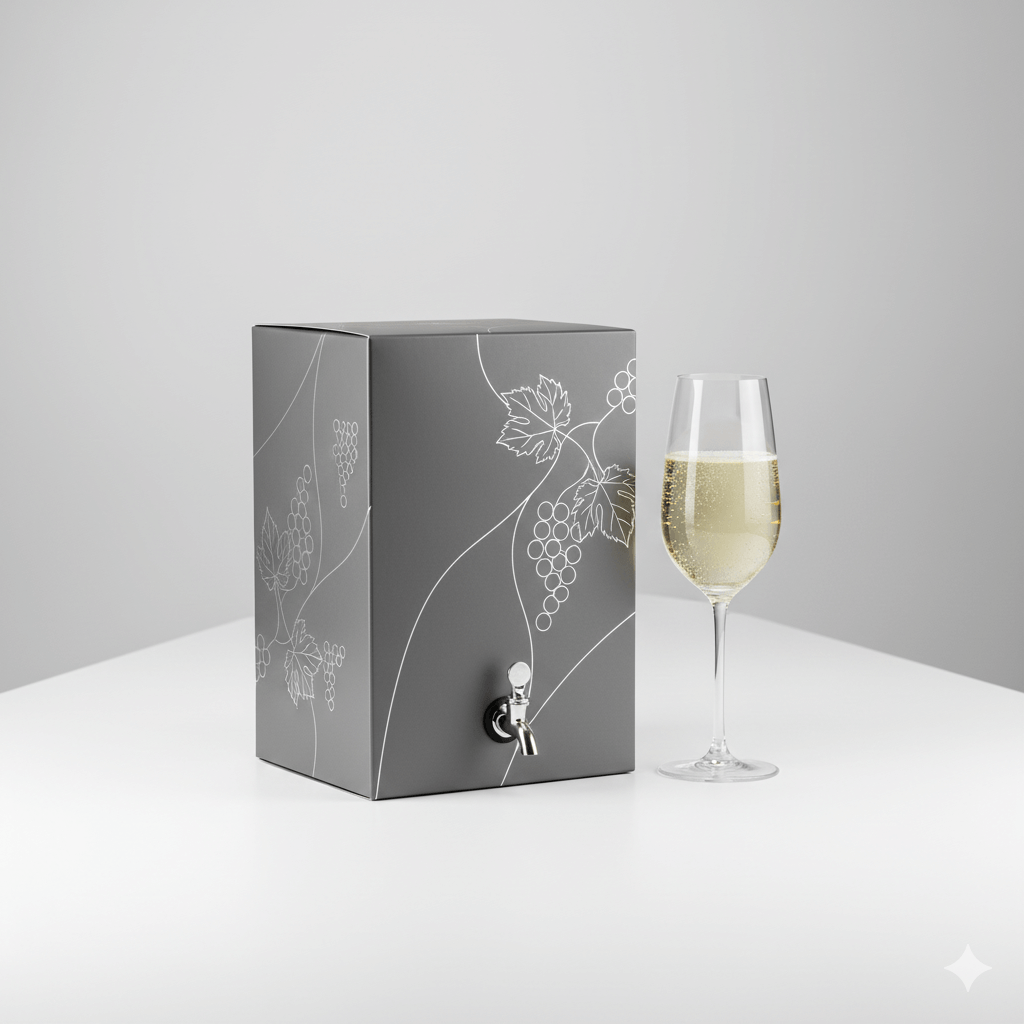

As the global wine industry approaches 2026, the paradigm of packaging is shifting decisively towards sustainability and efficiency. While the traditional glass bottle remains an icon of heritage, the modern distribution landscape demands more versatile solutions. Among the most discussed topics is the concept of ‘prosecco bag in box‘—a term that represents the intersection of consumer demand for sparkling Italian wine and the logistical advantages of soft packaging. This article explores the current state of sparkling wine in alternative packaging, addressing the technical innovations, regulatory realities, and the compelling economic and environmental arguments driving this sector forward.
The rising demand for sparkling wine in alternative packaging
The global wine industry is witnessing a definitive paradigm shift. As we look toward the market trajectory for 2026, the traditional dominance of glass packaging is being challenged by a pragmatic consumer evolution toward convenience and eco-friendly formats. This is no longer a niche movement; it is a structural change in how wine is distributed and consumed. According to extensive market analysis, the global bag-in-box containers market is projected to experience robust growth, driven by the dual pressures of environmental responsibility and logistical efficiency. Consumers are increasingly prioritizing packaging that reduces carbon footprint without compromising the integrity of the product. This shift is clearly reflected in the rising search intent for “prosecco bag in box”. This specific keyword indicates that users are not merely looking for cheap alternatives, but are actively seeking high-quality Italian sparkling wine in bulk formats. The demand is fueled by the practicality required for:
- Large-scale events and catering where glass is a safety liability.
- Home consumption where preservation longevity is key.
- Outdoor occasions that demand lighter, shatterproof solutions. We are observing this trend solidify rapidly in mature markets such as the UK, USA, and Scandinavia. In these regions, the historical stigma surrounding alternative packaging has largely evaporated. Distributors and retailers are responding to a sophisticated consumer base that understands that a premium prosecco bag in box solution offers superior value, extended freshness after opening, and a significant reduction in waste compared to traditional bottling.
Regulatory landscape: understanding prosecco doc vs. glera igt
Navigating the Italian regulatory framework is essential for any distributor looking to innovate within the sparkling wine sector. While the market demand for prosecco bag in box is undeniably growing, understanding the strict rules enforced by the *Consorzio di Tutela* is critical for both legal compliance and commercial success.
Under current legislation, wine labeled strictly as “Prosecco DOC” generally requires glass bottling to maintain its designation. The governing bodies prioritize traditional presentation to protect the appellation’s heritage, effectively barring the official DOC label from appearing on alternative packaging formats like the bag-in-box.
However, this regulatory limit does not mean the product profile is inaccessible. What the international market often requests as “prosecco bag in box” is technically distinct—often categorized as Glera IGT or generic sparkling wine from Veneto.
Since Glera is the primary grape variety used to produce Prosecco, wines labeled as Glera IGT offer the exact crisp, floral, and aromatic profile consumers associate with the famous bubbly, yet they remain eligible for alternative packaging.
For importers and large-scale retailers, understanding this distinction is paramount. By sourcing Glera IGT Veneto, we allow you to meet the surging consumer demand for the “Prosecco profile” in a sustainable box format without risking customs disputes. This approach ensures you deliver the high-quality, sparkling experience your customers expect, while remaining fully aligned with Italian wine laws.
Technical innovations in pressure resistance for soft packaging
Packaging effervescent beverages requires a fundamental shift in engineering compared to still wines. The primary challenge lies in managing the internal pressure generated by carbonation. While a standard still wine exerts negligible outward force, sparkling wine generates substantial internal pressure, demanding packaging that maintains structural integrity without deforming or rupturing. For a viable prosecco bag in box solution, the materials must withstand specific pressure thresholds often exceeding standard atmospheric levels.
By 2026, material science has evolved to introduce reinforced multi-layer films. These are distinct from standard polyethylene bags; they utilize advanced co-extruded polymers designed to offer superior flex-crack resistance and high oxygen barriers while effectively containing the pressure exerted by the gas. The innovation extends beyond the film to the dispensing mechanism. Standard taps often compromise the seal under pressure, leading to leakage or gas loss. To combat this, professional solutions now utilize specialized connectors, such as advanced iterations of the Vitop original tap, engineered to withstand higher bar levels while ensuring a hermetic seal that locks in carbonation. To ensure the product reaches the consumer in perfect condition, we rely on three critical engineering pillars:
- High-Barrier Films: The utilization of metallized polyester (METPET) or reinforced EVOH layers prevents gas permeation and protects against UV light.
- Isobaric Filling Technology: Advanced filling lines maintain equilibrium pressure to prevent foaming and the loss of effervescence during the packaging process.
- Pressure-Resistant Seals: Enhanced thermal welding techniques ensure the bag’s perimeter possesses higher tensile strength than the film itself. These engineering milestones ensure that the organoleptic profile—specifically the perlage and freshness—remains consistent, effectively solving the oxidation risks previously associated with soft packaging for sparkling wines.
Environmental impact and logistics optimization
The logistics of wine distribution are currently undergoing a massive shift driven by data and environmental necessity. While glass remains iconic, its environmental toll during transport is undeniable. For forward-thinking distributors and large-scale retailers, the prosecco bag in box represents not just an alternative, but a necessary evolution in logistics optimization. The most immediate impact is found in weight ratios. A traditional glass bottle accounts for roughly 40% of the total weight of the final product. In contrast, Bag-in-Box packaging constitutes less than 5% of the total weight.
This drastic reduction translates directly into lower fuel consumption, allowing you to transport significantly more wine per shipment while maintaining a lower carbon footprint compared to heavy glass cargo. Beyond weight, we must address spatial efficiency. Cylindrical glass bottles inevitably create “dead space” on pallets. Rectangular BiB formats, however, utilize nearly 100% of the available surface area. This stacking efficiency means fewer trucks on the road, reduced shipping costs per liter, and optimized warehousing for your inventory.
Alignment with global sustainability goals
Adopting these solutions is no longer just about operational savings; it is a strategic alignment with Net Zero initiatives. As the industry approaches 2026 sustainability targets, retailers are under increasing pressure to decarbonize their supply chains and offer greener options.
- Reduced emissions: Lower transport weight drastically cuts CO2 output per liter of wine sold.
- Waste reduction: The flexible packaging generates significantly less waste volume for the end consumer compared to the equivalent number of glass bottles.
- Optimized volume: Higher volume per pallet reduces the overall frequency of shipments required to restock. By integrating the prosecco bag in box into your distribution network, you are doing more than just saving on shipping; you are future-proofing your business against rising environmental standards and waste disposal costs.
Commercial advantages for the horeca sector
For venue managers and sommeliers, waste is not just an operational nuisance; it is a direct hit to the bottom line. In the high-paced environment of the HoReCa sector, the traditional glass bottle presents a significant vulnerability, particularly regarding sparkling wines. Once a bottle is uncorked, the clock starts ticking. Carbonation fades, and oxidation begins, often forcing staff to pour unsold portions down the drain at the end of a shift.
Adopting alternative formats, such as steel kegs or seeking a efficient prosecco bag in box solution for draft service, effectively neutralizes this issue. Unlike glass bottles, which expose the remaining wine to oxygen once opened, bulk formats utilize systems that maintain pressure and create a barrier against air. This technology ensures that the first glass poured has the same effervescence and quality as the last, even if served weeks apart.
The impact on shelf life transforms the economics of the “by the glass” service. Consider the financial logic: opening a standard 750ml bottle for a single order of a Spritz or a glass of sparkling wine carries a risk. If the remaining four glasses are not sold quickly, the profit from that first sale is wiped out by the cost of the wasted bottle.
With bulk formats, this risk is eliminated. Venues can serve a single glass without compromising the integrity of the remaining liters. This shift allows for a substantial increase in profit margins, as 100% of the purchased product is converted into revenue. Consequently, transitioning to bulk packaging is not merely a logistical update; it is a strategic financial decision that stabilizes pouring costs and maximizes the return on every ounce of wine purchased.
Preserving organoleptic properties in bulk formats
One of the most persistent barriers for premium buyers regarding the prosecco bag in box format is the question of sensory fidelity. Historically, the industry associated alternative packaging with lower-quality tiers, fearing that the delicate nuances of Italian wines would be lost without glass. However, modern enological engineering has rendered these concerns obsolete, offering a preservation standard that rivals traditional bottling.
The process begins with state-of-the-art inert gas saturation during the filling phase. This technique creates a protective atmosphere that rigorously eliminates oxygen contact, the primary enemy of white wine freshness. For a variety as aromatic as Glera, this is essential. It ensures that the grape’s signature bouquet—specifically the vibrant notes of green apple, pear, and white flowers—remains intact and unaltered from the winery to the glass.
Beyond the filling technology, the structural integrity of the packaging plays a critical role. As the wine is dispensed, the high-barrier inner bag collapses, preventing air from entering and oxidizing the remaining liquid. This mechanism allows the wine to stay fresh for weeks after opening, a significant advantage over glass bottles.
To fully guarantee the crispness and perlage expected of a high-quality product, strict adherence to the cold chain is mandatory. Proper temperature management throughout storage and transport prevents thermal shock, ensuring that the wine’s liveliness and aromatic intensity are preserved. For distributors, this confirms that the format does not compromise the product; rather, it protects the sensory experience through superior engineering.
Strategic sourcing for private label and wholesale
To successfully capitalize on the growing demand for prosecco bag in box formats, selecting the right supply partner is the most critical strategic decision you will make. This process requires moving beyond simple transaction-based purchasing to establishing a relationship with a producer deeply rooted in the Veneto region, yet capable of executing modern logistical feats. Securing a competitive advantage relies on finding a partner who offers full-service solutions. Rather than coordinating separate vendors for wine production, packaging manufacturing, and graphic design, a strategic supplier manages the entire lifecycle. This ensures that the branding on the exterior matches the premium quality of the wine inside, maintaining brand integrity from the tank to the shelf. Furthermore, the complexity of modern distribution channels demands operational agility. A top-tier sourcing strategy must prioritize:
- Volume Flexibility: Your partner should be able to scale according to your business model, whether that involves fulfilling single-unit dropshipping orders for e-commerce platforms or managing traditional large-scale pallet shipments for wholesale distribution.
- Regulatory Expertise: Exporting sparkling Italian wine in alternative packaging involves navigating a maze of bureaucratic requirements. An experienced producer ensures full compliance with regulatory labeling requirements, mitigating the risk of customs delays or legal issues in destination markets. By aligning with a producer that combines traditional winemaking expertise with advanced fulfillment capabilities, you transform your supply chain into a growth engine. This strategic approach ensures you are not just stocking a product, but delivering a compliant, market-ready solution that responds dynamically to consumer trends.
Conclusion
In conclusion, while the regulatory definition of ‘Prosecco’ remains tied to tradition, the market for sparkling Glera wines in bag-in-box formats is expanding rapidly. For distributors and retailers, this packaging solution offers an undeniable convergence of sustainability, logistical efficiency, and consumer convenience. By understanding the technical requirements and partnering with experienced producers in the Veneto region, businesses can successfully leverage this trend in 2026, delivering the freshness of Italian sparkling wine in a format built for the future.